Stymix is a hub of designers, developers, and marketers with the right expertise to help turn your ideas into richer digital products and content experiences

Close
Get in touch
hello@stymix.comFollow us


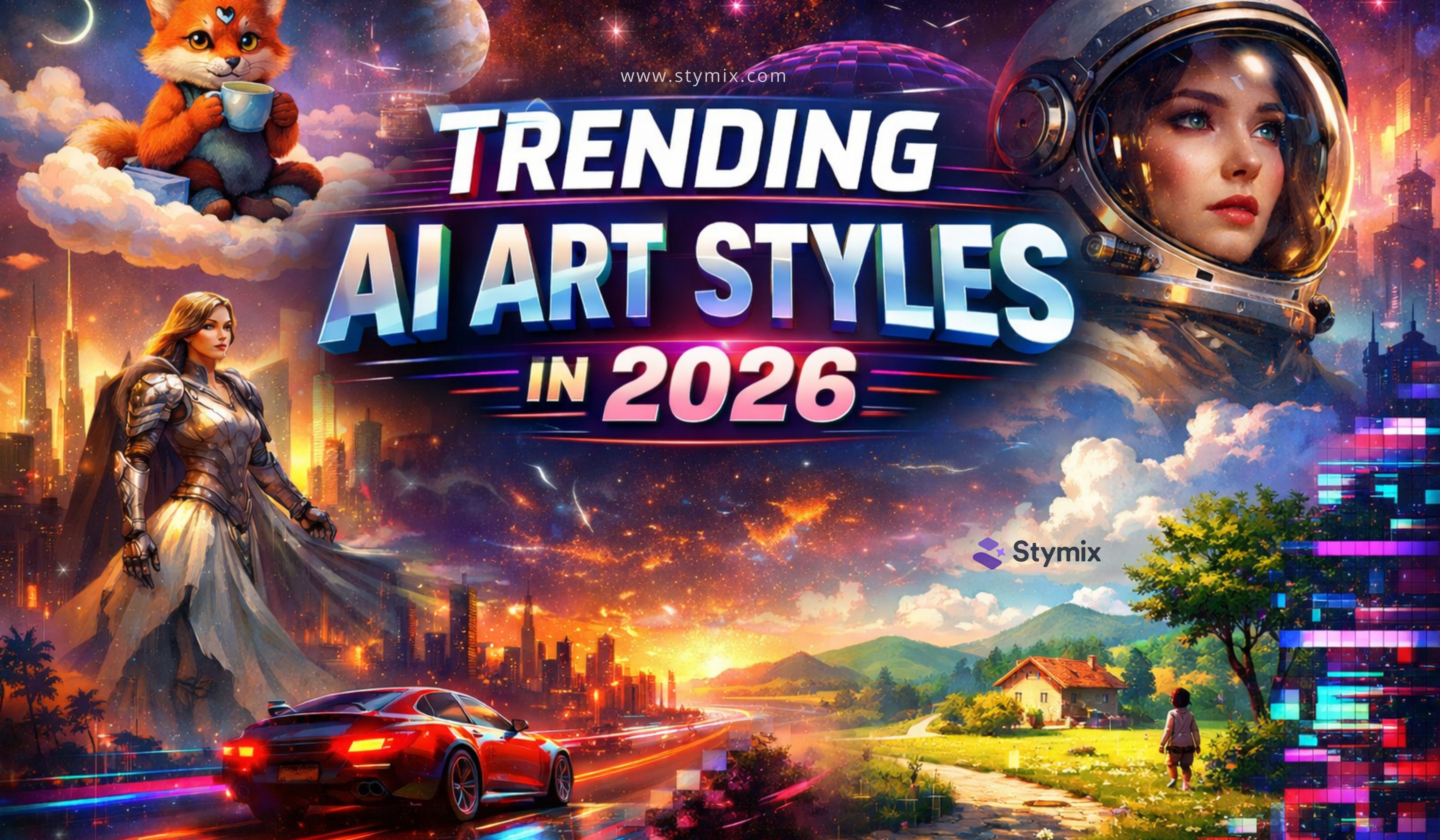
Looking for the most trending AI art styles in 2026?
Picture a neon city skyline under soft rainbow lights, a cartoon fox with three eyes sipping tea on a floating cloud, or a hyperreal portrait so sharp it looks like a real photo. These are not hard to draw art pieces anymore. These are AI image styles spreading fast across Instagram, TikTok, and art feeds. You can create them with a few clear prompts. Yes life has become that easy!
This guide breaks down the top viral AI image styles, explains why they dominate the scene, and provides actionable prompt tips to help you generate stunning visuals. Unlock the full range of what AI art can do today.
Here are some of the popular AI art styles that will trend in 2026, with what makes them special and how to prompt for them.
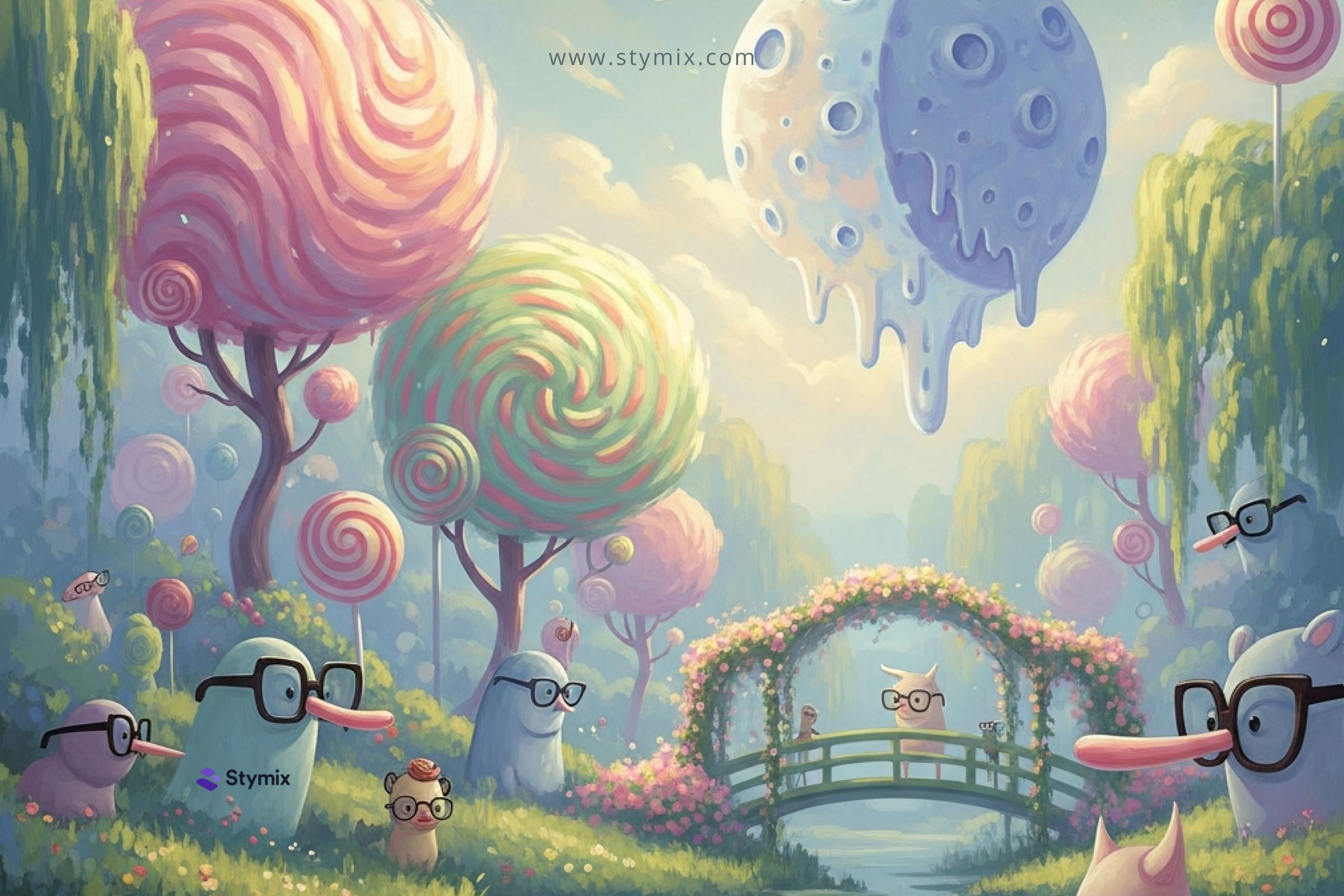
Pop Surrealism feels like a dream without rules, yet each part fits. You see scenes that remind you of the slow life of the '80s. You also notice a clear sense of bold humor. Each detail builds a world that feels strange but familiar. You see large eyes, bold forms, and soft lines. You also meet odd creatures that act like normal people. Each element forms a story that feels simple yet strange.
People like this art style because it delivers fun. Artists use it for social posts and brand stories. The style also works well for bold art.
“A bright fantasy world with large candy trees, a soft, melting moon, and odd creatures with glasses. Use a clear lowbrow style with soft shadows and a bold palette.”
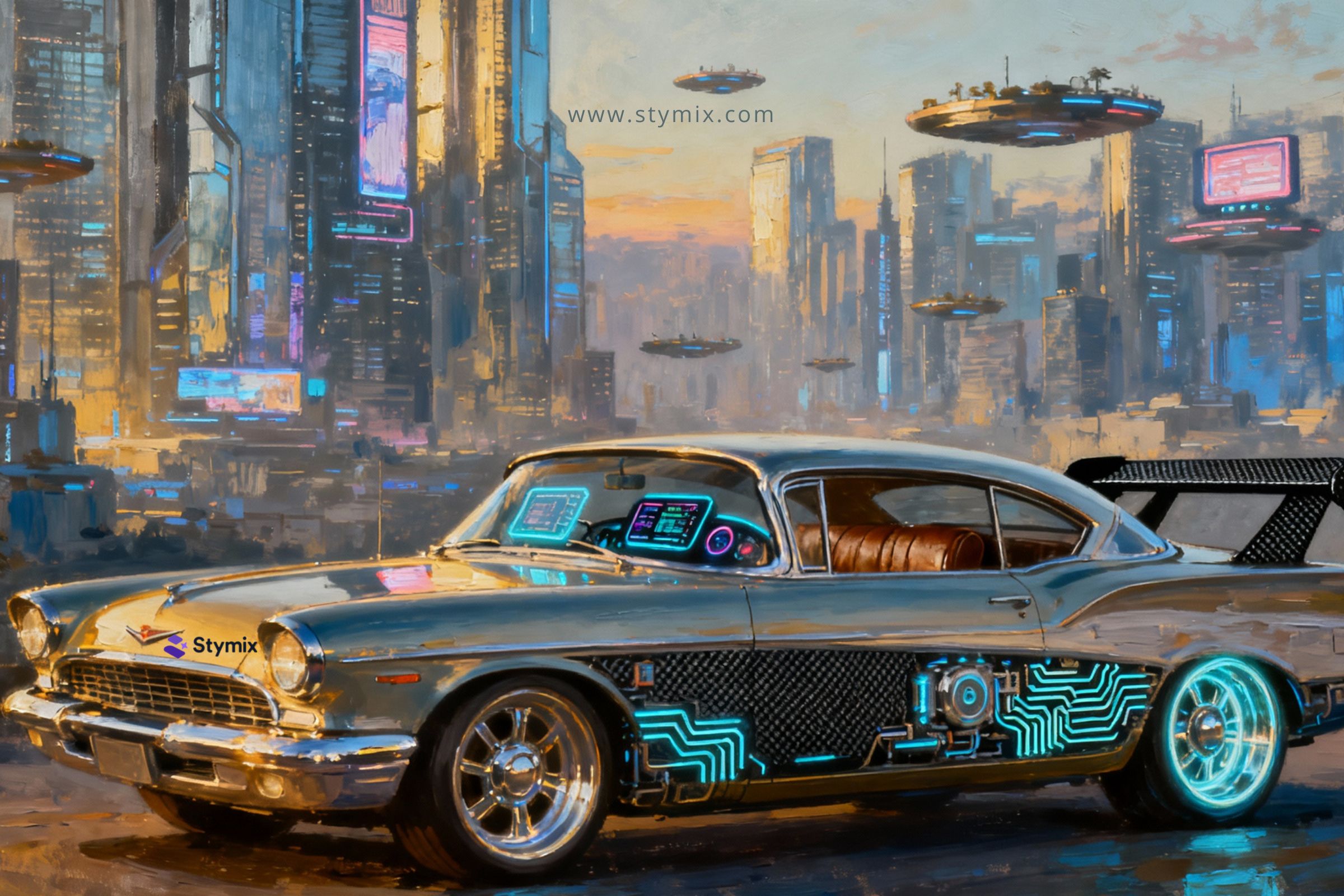
This style feels like classic oil work from old masters, yet it holds clear sci-fi parts. You see soft strokes and noble poses. You also notice cyber lights, metal panels, and calm curves under clear tech detail. Each scene joins old-world grace with sharp future tools. The mix forms a world that feels grand, modern, and slightly unreal.
People enjoy this blend because it holds a sense of future and a sense of now. It reflects the very idea we as society has expected what a robotic future might look like. So this neo classical style feels very familiar. The style also stands out on social feeds.
“A classical oil-style portrait of a vintage car with clear cyber parts and bright metal detail, set before a future city skyline. Use a painterly style with soft light. Use neo-classical with a sci-fi twist style.”
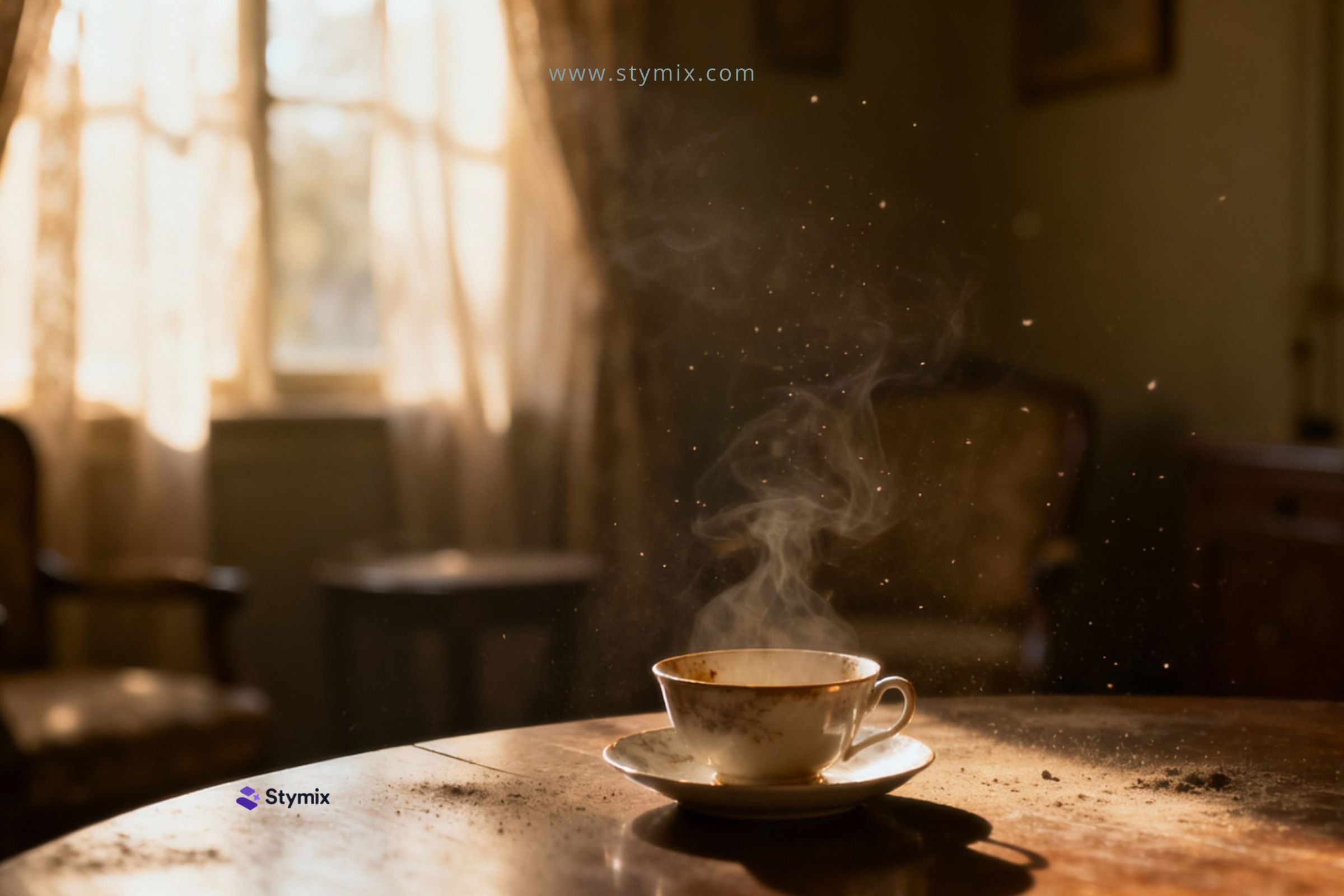
This style looks like a still from a dream film. You see soft shapes, calm light, and a clear emotional note. Each scene feels like a memory from a forgotten time. Colors blend, shapes fade, and figures turn into simple forms. The focus stays on mood, not detail. You also notice foggy light, slow shadows, and small flares. Each frame feels like the first moment of a story you want to finish.
People use this style to set the mood in visual work. It fits short trailer shots and fast story hints. It also works well for emotional posts on social feeds.
“A calm film scene with soft shapes, warm light, slow shadows, faint forms, light blur, and a clear sense of a lost film moment.”
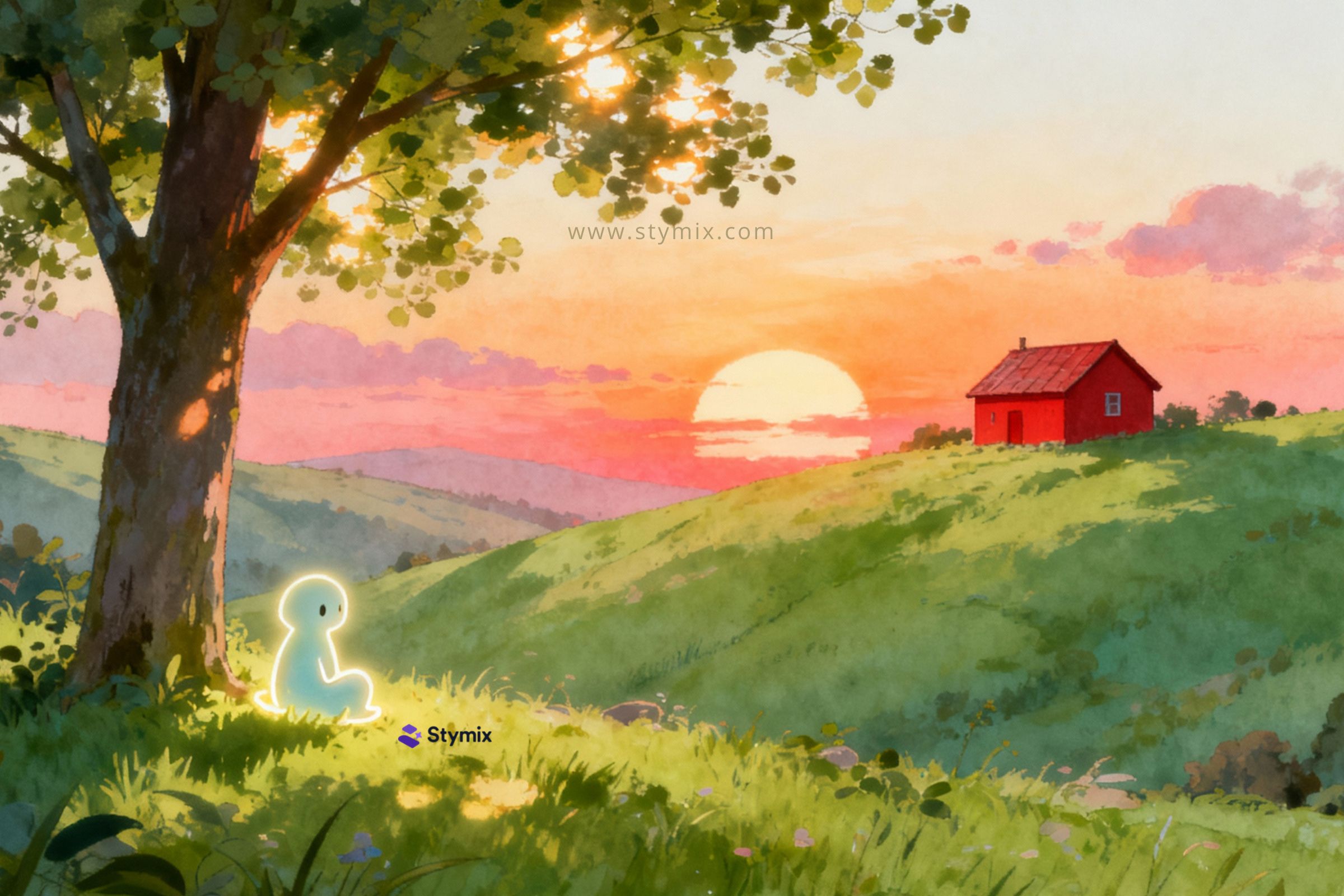
This style shows calm hills, small homes, and soft light that feel like a Ghibli scene. You see clear lines and gentle story notes in each frame. Colors stay pastel and quiet. Clouds look full, homes sit deep in green hills, and small spirits hide near trees. Even simple objects feel alive. The mix of real detail and light fantasy builds a world that feels warm and safe.
People like this AI art style for its sense of memory and calm fantasy. It fits long story frames and quiet visual posts.
“A soft wide landscape in a Ghibli style with green hills, a small red home, a warm sunset, and a tiny spirit near a tree. Use pastel tones and clear texture with soft light.”
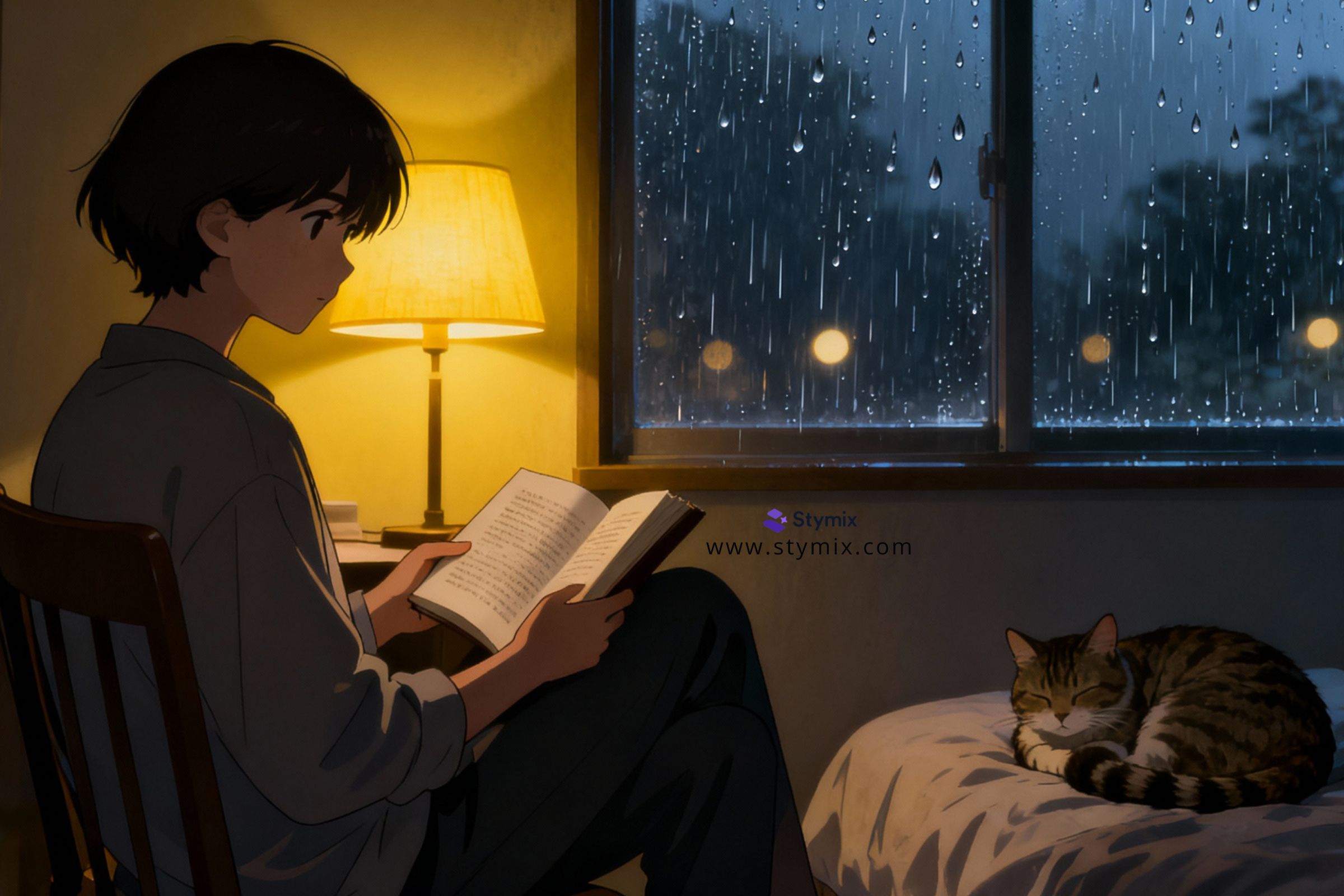
Lo-Fi scenes show calm rooms, soft lamps, and rain that falls on the window. You see a space that feels like a quiet night you do not want to end. Colors stay muted, and the mood feels warm and close. Characters sit in a relaxed way with books, notes, or music. Each object adds to the unwinding tone of the scene. You also see grain, blur, and a soft glow that gives a clear worn feel. It works like a digital warm blanket.
People like this style because it adds calm to a fast world. It fits study clips and long background scenes. It also works for slow and relaxing contents.
“A quiet room at night with soft lamp light, light rain on the window, a person with a book, and a cat near the bed. Use a clear lo-fi anime style with muted tones.”
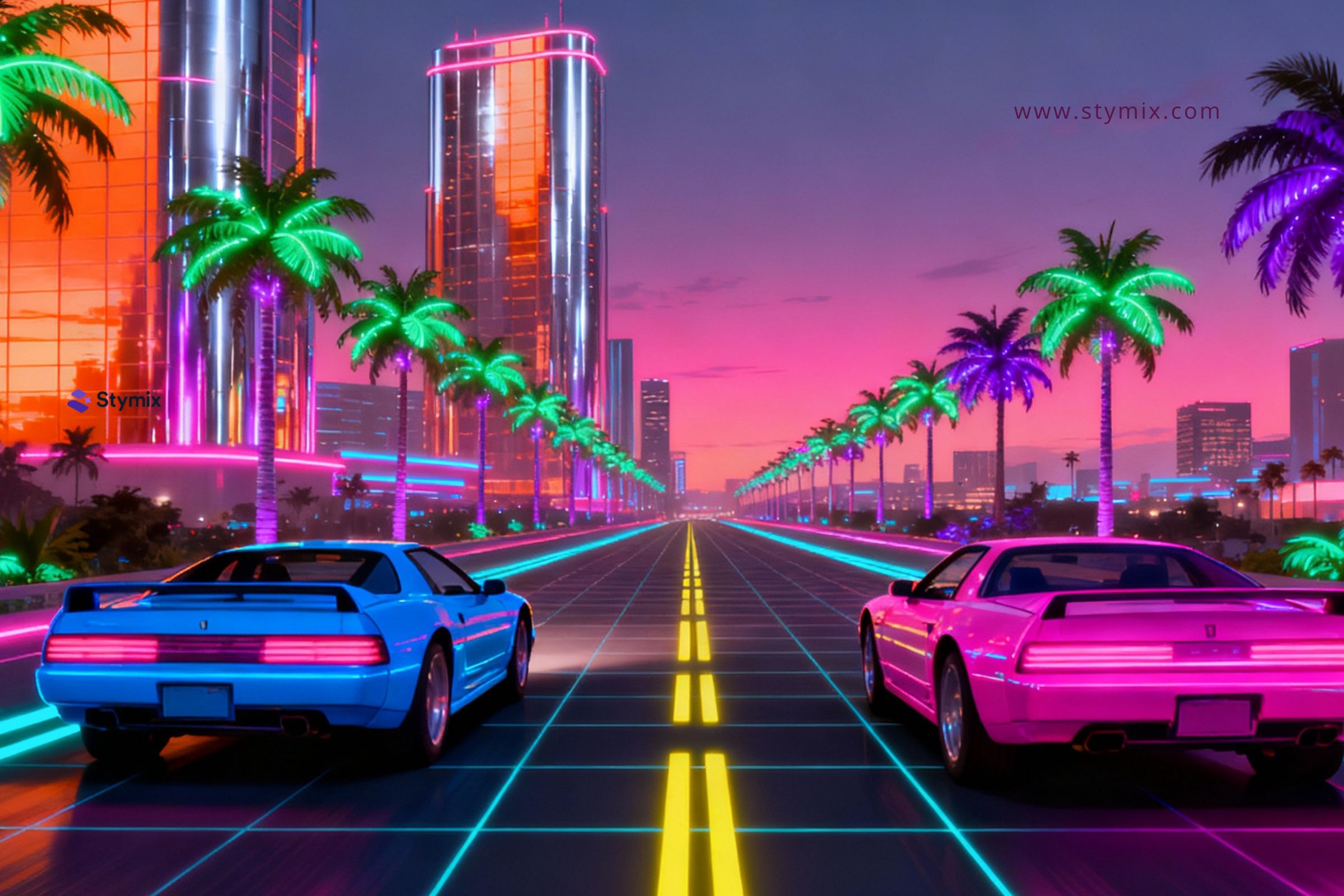
Retro-Futurism shows neon grids, chrome towers, and palm trees under pink skies. You see bold shapes, sharp lines, and a clear sense of the 80s dream of the future. Colors shift through purple and pink tones. VHS noise adds a worn tech feel. You also notice fast cars, synth music themes, and long city lines.
Vaporwave adds light humor with statues, short Japanese text, and simple glitch marks. The mix builds a world that feels vintage and forward at the same time.
People enjoy this style because it holds both memory and a sense of the future. It fits music clips, 80s throwback art, and bright neon scenes.
“A neon city at dusk with chrome towers, lit palm trees, retro sports cars, and long grid roads. Use clear synthwave and retro-futurism style with bold light and smooth gradients.”
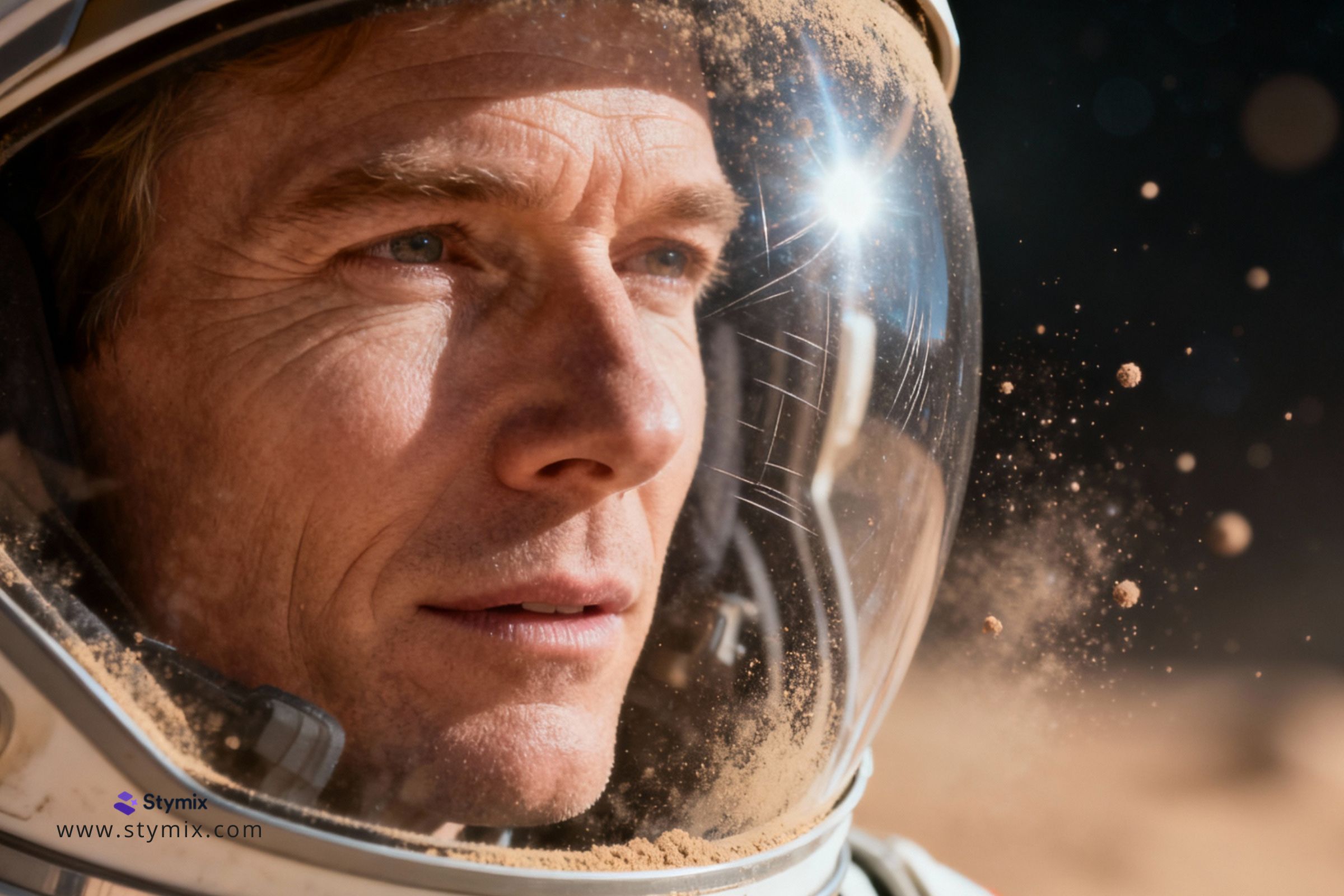
Hyperreal portraits represent sharp detail that looks close to real life. You see clear pores, bright highlights, and small reflections that almost fool your eyes. Light falls in a strong way, and faces show clear emotion. Depth feels close to a high-end photo shoot. You also see dust on clothes, sharp eye reflections, clear skin texture, and wide backdrops. The style works well for characters because it gives life to people you imagine.
People value this style because it feels strong and direct. It also helps build clear stories and bold character art.
“A hyperreal portrait of a space explorer with light wrinkles, a dusty visor, and soft cosmic dust in the air. Use calm cinematic light, clear skin detail, and bright reflective parts.”
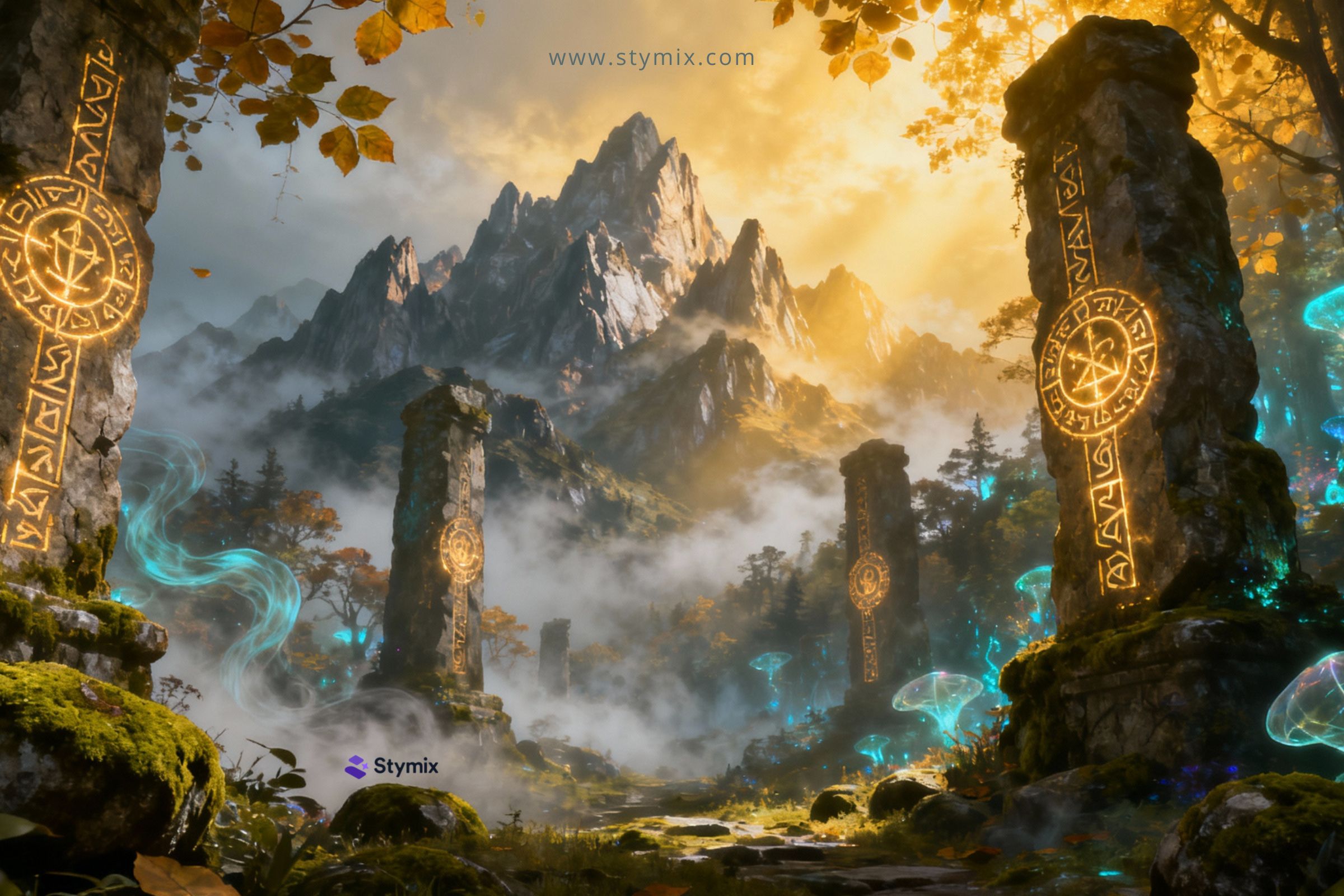
This style is all about wonder. Expect floating islands, glowing forests, mythical beasts, ancient ruins, and transformers wrapped in enchanted armor. Colors are rich, details are dramatic, and the overall mood feels epic. Everything looks crafted with magic - swirling mists, shimmering runes, glowing wings, and landscapes too dramatic for the real world. Fantasy art thrives on scale and spectacle, making even small scenes feel heroic.
Fantasy is timeless. With this AI style, creators can easily build entire mythical worlds.
“An epic fantasy scene with a wide misty mountain range, bright runes carved into ancient stones, and soft light rising through a glowing forest. Use clear detail with a strong magical tone.”
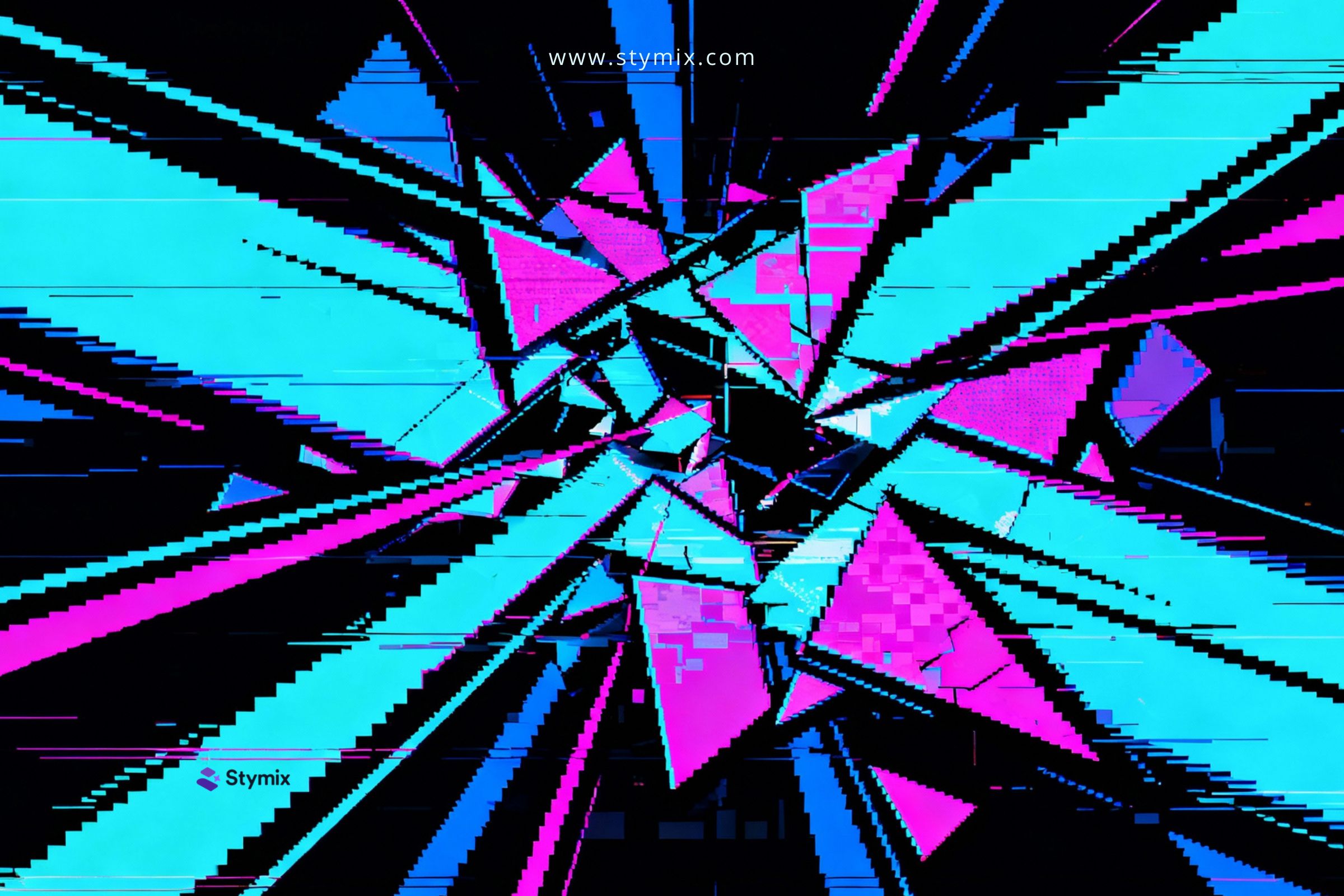
Glitch art treats digital faults as clear design. You see pixel splits, sharp lines, and color shifts in each frame. Broken pixels form new shapes. Faces may split, and structures may twist as if the file tears apart. The chaos stays planned, and each mark builds a live digital feel. The style looks raw and bold, like a system that fails with intent.
People choose this style because it values flaws. Each error feels real and strong. It also fits modern digital work that aims for a sharp look.
“A digital scene with clear glitch marks, double pixel edges, scan lines, sharp neon color shifts, and broken forms. Use a direct error-based style with a bold digital tone.”
Be descriptive but flexible
Include style keywords (such as, “cyberpunk,” “Ghibli-like,” “glitch”) but also leave room for your model to interpret.
Mix and match elements
Don’t be afraid to combine two AI art styles (“a hyperreal sword in a vaporwave city”) — surprising mashups often produce the most eye-catching results. You can also mix viral graphic design trends to make your arts more unique.
Mood matters
Use lighting, color, and atmosphere words: “soft glow,” “neon haze,” “film grain,” “motion blur” all help direct the AI for more accurate image generation.
Iterate
Try multiple versions of your prompt. Tweak adjectives, change focal subjects, or adjust the color scheme.
Use reference artists
Adding an artist name can guide the look. You can say “in the style of James Jean” or “like a Pixar frame” to shape the tone.
AI image generation is no longer just a novelty. It has become a clear tool for creative work. Current styles - from glitch art to Ghibli-inspired scenes, show the range your imagination can reach. Whether you make social posts, design fantasy worlds, or experiment, clear prompts are your key tool.
Test prompts from the examples above, adjust them, and remix. Then share your results on social feeds or with friends. Tag Stymix if you think we should include your style here! Happy creating!